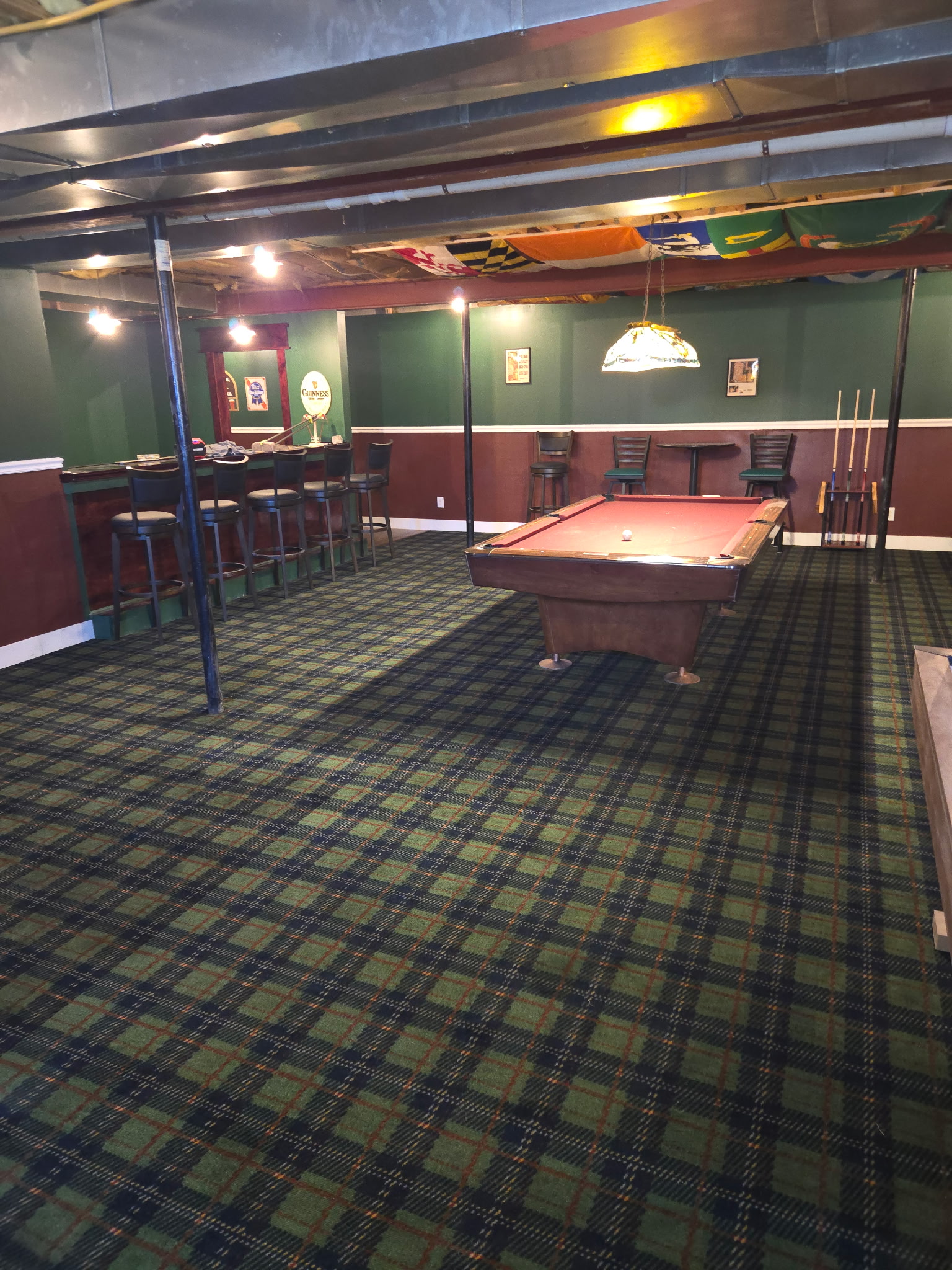
How to Transition Between Different Flooring Types Seamlessly Apr 20, 2026
When it comes to home improvement, flooring transitions can often be an overlooked detail. However, transitioning smoothly between different types of flooring enhances the flow and aesthetic of your home. As experts in the field, Finnegan Flooring is here to guide you through the process of achieving flawless flooring transitions that elevate your space.
The first step in ensuring seamless transitions between different types of flooring is planning. Consider the overall design of your spaces and how each flooring type contributes to the desired theme. For instance, if your living room boasts rich hardwood but your kitchen features sleek tile, a threshold or transition strip can offer a harmonious bridge that maintains style and functionality.
Understanding the functionality of each space is crucial when transitioning between different flooring types. Areas that see a high amount of traffic or moisture, such as bathrooms or entryways, might require more durable materials like tile or luxury vinyl plank. On the other hand, spaces like living rooms or bedrooms may benefit more from the warmth and comfort of carpet or hardwood.
Once you've identified the types of flooring that best suit each area, focus on the meeting point. Transition strips are not only functional in preventing tripping hazards, but they also come in a variety of finishes and materials, complementing any decor style. For high-traffic areas, consider using metal transition strips for durability. Wood-tone strips work beautifully with natural flooring options, creating a unified look.
Color coordination is another vital aspect when transitioning between different flooring types. Opt for colors that are either complementary or distinct enough to define different spaces clearly without clashing. If the transition is stark, such as between carpet and tile, using a neutral-colored transition strip can provide visual balance and ease.
One common architectural feature that conveniently aids flooring transitions is the use of doorways. Doorways naturally segment spaces and provide logical breaks for flooring transitions. Utilize this architectural element by placing transition strips under doors where different flooring types meet, minimizing the visibility of the transition while maintaining a cohesive flow between rooms.
Consider flooring height when planning your transitions. Not all flooring types have the same thickness; for instance, transitioning from carpet to tile may require minor floor adjustments. Finnegan Flooring recommends using leveling compounds or underlayments to ensure the surfaces are even, preventing sudden drops or rises which can cause trips or create unsightly gaps.
Finally, while aesthetics and functionality are vital, do not overlook the comfort aspect of flooring transitions. Materials that absorb sound and provide a comfortable walking surface enhance the liveability of your home. Test the textures and thickness of various flooring types and choose comfortable yet durable materials for areas where foot traffic is high.
In conclusion, achieving seamless transitions between different flooring types involves thoughtful planning and attention to detail. By considering factors such as material functionality, color coordination, and floor height, you can ensure that your home maintains both style and practicality. At Finnegan Flooring, we are committed to assisting you in crafting the perfect flow for your home spaces. With these expert tips, your flooring transitions will not only look aesthetically pleasing but also enhance the comfort and functionality of your home. Allow us to partner with you in elevating your environment to new levels of beauty and cohesion.
/filters:no_upscale()/filters:format(webp)/media/40b091bc-a0cf-4e84-b4f8-46b7f95f800b.jpeg)
/filters:no_upscale()/filters:format(webp)/media/46aefaf8-52b9-4d7f-b36d-e30340bc4c0d.jpeg)